From Org Chart To Command Centre: The New Shape Of The $1M+ Business
How a business changes shape from an org chart of siloed functions to a Command Centre: one live view, the AIOS holding the functions, a lean team on judgement.
You can draw most businesses as an org chart. Boxes of people, one under another, each box owning a function. Sales sits in one box, ops in another, finance in a third, and the lines between them are the reporting lines. It looks tidy on a slide. The problem is what the chart hides: the information lives inside the boxes, and the only way you find out what is going on is to ask the person who holds it. The new shape is not a chart of people at all. It is a Command Centre, one live view of the whole business, where an AIOS holds the repetitive functions and a lean team handles the judgement. This is a structural change, not a cosmetic one.
The Bottom Line
- The old shape is an org chart: boxes of people, each holding a function, information trapped inside each box.
- The new shape is a Command Centre: one live view of the whole business, with the system running the functional layer.
- You run it off live truth instead of status meetings, so decisions stop waiting on someone to report up.
- People don’t disappear. The shape of how the work is held changes, and the team moves to the judgement only humans can do.
The Business Shaped Like An Org Chart
The traditional business is shaped like an org chart, and the shape decides how it runs. Each box is a function held by a person: someone owns invoicing, someone owns the pipeline, someone owns scheduling. The owner sits at the top and stitches it together by asking around. The shape works at small scale, but it has a flaw built in from day one.
The flaw is that the chart stores information inside people. Each box knows its own corner and not much else. The person on invoicing can tell you what is overdue, but only if you ask, and only what they happened to notice. The chart is not a system that holds the business. It is a map of who you have to go and talk to before you actually know anything.
Most owners we work with don’t see this as a problem until they try to grow. That’s when the shape starts to bite, and it bites in a way that hiring makes worse, not better.
Why The Org Chart Traps Information
The org chart traps information because each function is a silo, and silos only talk through the owner. You don’t have one view of the business. You have six people who each hold a slice, and a head full of half-remembered status updates trying to fit them together. You only know what people remember to tell you.
That gap is where things slip. The lead that went quiet, the invoice nobody chased, the job that stalled between two boxes that don’t speak. None of these are anyone’s fault exactly. They fall down the cracks between functions because no single box owns the whole and the only thing connecting the boxes is you, asking around, after the fact.
Now picture scaling that shape. More revenue means more work, so you add boxes. Each new box is another silo, another person to ask, another reporting line into the same overloaded owner. The org chart scales by getting heavier. You hire to hold more functions, and every hire adds management, handoffs and one more place information can hide. The shape was never built to give you a clear view. It was built to divide the work, and dividing the work divides the truth.
The Command Centre Shape
The Command Centre is the new shape, and it inverts the org chart. Instead of functions trapped in boxes of people, the Command Centre is one live view of the whole business, with the AIOS holding the repetitive functions and your team sitting on top, handling judgement. You stop asking around. You look at one screen and you see everything.
The Command Centre is one of the three first builds in an AIOS, alongside the Daily Brief and the Inbox Agent. It pulls revenue, pipeline, jobs and cash into a single live picture, fed straight from Gmail, Xero, HubSpot or ServiceM8, whatever you actually run. The information is no longer locked inside a person’s head. It sits in the open, current, and visible to you without a single status request.
Underneath the view, the system runs the functional layer. The invoicing that lived in one box now runs as a process the AIOS handles and you approve. The pipeline that lived in another box updates itself from real activity. The functions don’t vanish, they move out of people and into a system that holds them all at once, in one place, where you can see them. Human-in-the-loop stays the rule: anything that touches money or a client comes to you as an approval, not an automatic action. You still own every line of it. This is the shape described in the owner’s AI operating model, drawn as a structure instead of a day.
Running On Live Truth, Not Status Meetings
Here is what the new shape changes day to day: you run the business off live truth, not status meetings. In the org chart, the only way to assemble the picture was to gather the boxes and have each one report up. That is what a status meeting is, a manual sync of siloed information, run on a delay, filtered through what people chose to share.
The Command Centre kills the need for most of that. The picture is already assembled and already current. You don’t book a Friday meeting to find out where the numbers landed, because the numbers are on the screen as they happen. You make decisions off what is true right now, not off a summary somebody built on Thursday from memory and a half-updated spreadsheet.
That shifts your whole week. The owner in an org chart spends their time collecting information so they can decide. The owner running a Command Centre starts every decision already informed, so the time goes to the deciding itself: the deal, the hire, the direction. Less time chasing the picture, more time acting on it. The reporting layer that used to eat your week now runs itself in the background.
A Flatter, Leaner Business
The new shape is flatter and leaner because the system holds the functions a layer of people used to hold. When invoicing, sorting, chasing, scheduling and reporting run as processes the AIOS manages, you don’t need a box of people for each one. You need fewer people doing higher-value work, sitting on the judgement the system can’t make.
This shows up in one number: revenue per employee, your total revenue divided by your team size. In an org chart, growing revenue meant adding heads, so the number stayed flat or fell. In a Command Centre, the system absorbs the work an extra hire used to do, so revenue can climb while the team stays small. Rising revenue per head is what the new shape looks like from the outside.
Let’s be honest about what this is not. People don’t vanish and you don’t run a company of one with a magic button. The shift is structural, not a headcount cull. What changes is the shape of how the work is held: the repetitive functional layer moves from people into the system, and the people you keep move up to the work that needs a human, the calls, the relationships, the judgement. A leaner team on judgement, a system on the functions, and you with one live view of all of it. That is the shape, and the path to it is the one-person company playbook taken as far as your business actually warrants.
Frequently Asked Questions
Is The Command Centre Just A Dashboard?
A dashboard shows you numbers. The Command Centre shows you numbers and runs the functions behind them. It is one live view of revenue, pipeline, jobs and cash, fed from your real tools, and underneath it the AIOS handles the recurring work those numbers come from. You see the whole business in one place, and the functional layer runs itself with you approving anything that matters.
Does This Mean I Fire My Team And Replace Them With AI?
No. The shape changes, the headcount cull doesn’t happen. The repetitive functional work moves out of people and into the system, and your team moves up to the judgement only humans can do: the deals, the relationships, the calls. You usually end up leaner over time because growth stops requiring a new hire for every new function, but the point is higher-value work, not empty desks.
How Is The Command Centre Shape Different From A Flat Org Chart?
A flat org chart still stores information inside people, you just have fewer layers of them. The Command Centre stores the information in a live system everyone can see, and runs the functions there too. Flattening the chart reduces reporting lines. The Command Centre removes the need to report at all, because the picture is already assembled and current, not waiting in someone’s head.
Do I Still Control The Business, Or Does The System Run It?
You control it. Human-in-the-loop is the default, so anything touching money or a client comes to you as an approval, not an automatic action. The system holds the repetitive functions and surfaces a live view. You make every decision that matters off that view. You also own every line of the build, with no lock-in, so the Command Centre is yours, not a platform you rent.
If your business is still shaped like an org chart, with the truth trapped in boxes and you stitching it together by asking around, there is a better shape. We build the Command Centre as one of the first three pieces of your AIOS, around how your business actually runs, owned by you, with you in the loop the whole way. Get In Touch.
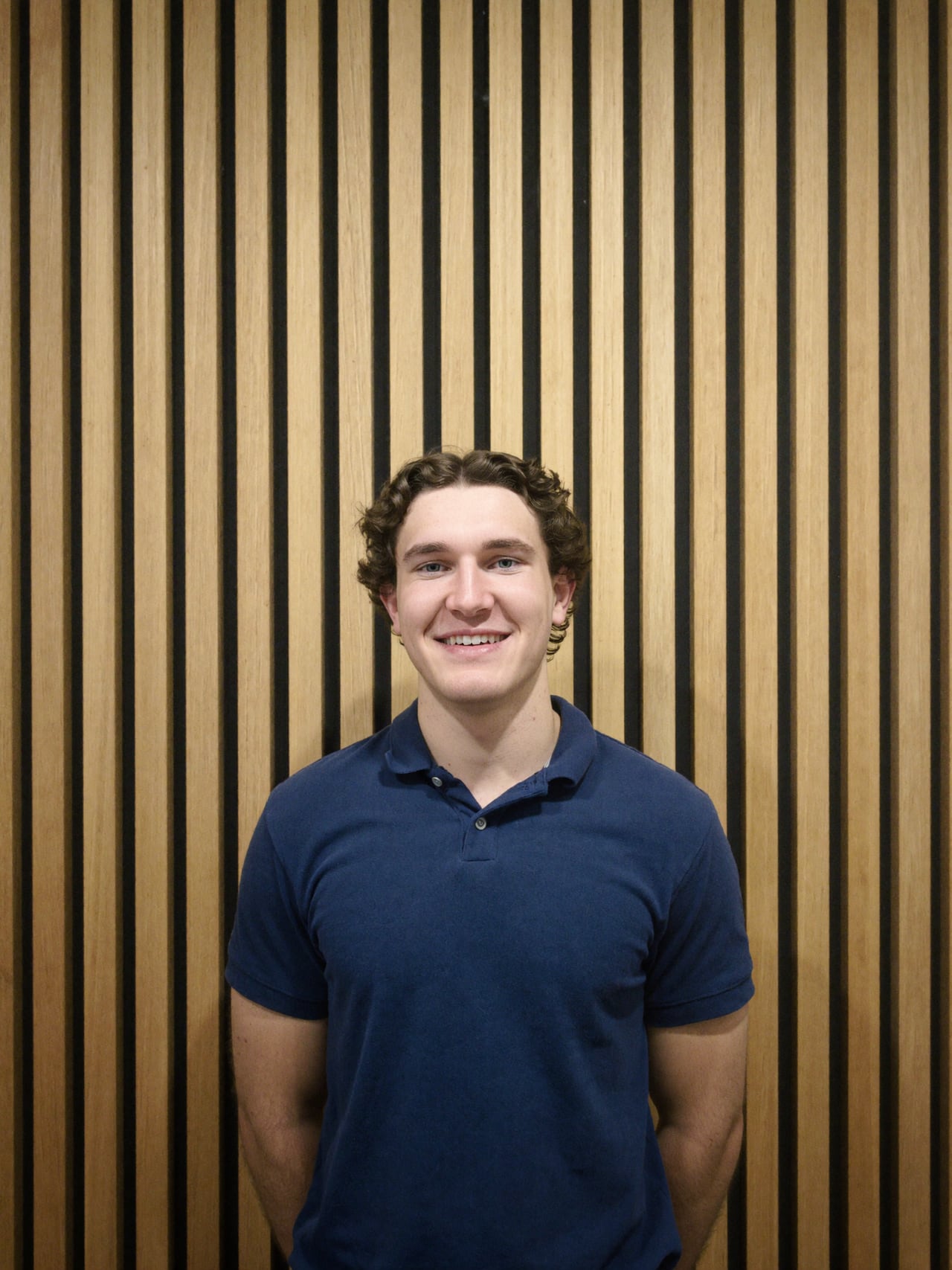
Sam co-founded Echelon AI Solutions and leads transformation strategy, client engagements and growth. He has built and operated businesses across marketing and AI education, and has guided companies in retail, trades, hospitality and professional services through operational change. His focus is making AI earn its place through measurable business performance.
More In Operating Model
See all Operating Model →
The Owner’s AI Operating Model: A Day In The Life When The System Runs
What a $1M+ business feels like when an AI operating system handles the must-do work: morning brief, drafted inbox, live numbers, and no longer the bottleneck.
Read it
Working ON The Business, Not IN It: The AI Version That Finally Works
Why 'work on the business, not in it' always failed (the work had nowhere to go), and how an AIOS absorbs the must-do work so the advice becomes possible.
Read it
The Daily Brief: One AI Summary Before Breakfast
The Daily Brief is the AIOS Intelligence layer: a summary before breakfast of what needs attention, what changed and what’s at risk, so you start the day ahead.
Read it