The One-Person Company Playbook
The one-person company playbook: how a lean team plus an AIOS runs like a bigger one, pushing repetitive work into the system and tracking revenue per person.
The one-person company is a misleading name for a real idea. It doesn’t mean firing everyone and running a million-dollar business solo. It means each person on your team produces far more than they used to, because a system holds the repetitive functions a whole department used to handle. A tiny team plus an AIOS can run like a much bigger company. The playbook is simple: keep the team small and high-value, push every repetitive function into the system, and measure success as revenue per person, not headcount. This is the owner’s AI operating model applied to how you staff and scale.
The Bottom Line
- The “one-person company” is about output per person, not literally being solo. The goal is a lean team that punches above its headcount.
- Headcount used to be the only way to add capacity. An AIOS holds the repetitive functions instead, so you grow output without growing the payroll.
- The playbook: small team on judgement and relationships, the system on the repetitive ops, you approving anything that matters.
- The metric is revenue per employee. When it climbs without new hires, the model is working.
Headcount Used To Be The Only Way To Scale
For most of business history, more capacity meant more people. Twice the orders meant twice the admin, so you hired. More clients meant more reporting, so you hired again. Capacity and headcount moved together, because the work could only be done by a human at a desk. There was no other lever.
That model has a hard ceiling, and it isn’t money. It’s management. Every hire adds output but also adds overhead: onboarding, questions, errors, the meetings to coordinate them. Past a certain point you spend your days running the team instead of the business. You bought capacity and paid for it in attention. The bigger the headcount, the more of the owner’s day disappears into holding it together.
It also makes the business fragile in a way that’s easy to miss. Knowledge lives in people’s heads. When someone leaves, the capacity leaves with them, and you’re hiring and training from scratch. The old way to scale wasn’t wrong, it was just the only option. The repetitive, predictable work, the admin, the reporting, the chasing, had to ride on a person, because nothing else could carry it. That’s the part that’s changed.
What An AIOS Changes
What changes is that the repetitive functions no longer need a person to run them. An AIOS holds the work a department used to do: sorting and drafting the inbox, raising and chasing invoices, responding to leads, assembling reports from live data, watching the numbers overnight. The functional, repeatable work runs in the system, and your people stop being the engine for it.
Think about what a small business actually staffs up to cover. An admin person for the inbox and scheduling. A bookkeeper-adjacent role for invoicing and chasing. Someone pulling reports together. A first responder for new enquiries. None of that is judgement work. It’s predictable, rule-shaped work that exists because someone has to physically do it. That’s exactly the load an AIOS is built to carry.
This is the real difference between an AI employee and a new hire. A person you hire can only be in one place doing one thing. The system runs every repetitive function at once, around the clock, and it doesn’t forget the process or quit in six months. We dig into that trade-off in AI employee vs hiring a person. The point isn’t that you stop hiring. It’s that you stop hiring to cover work a system should hold.
The Playbook: Lean Team, Deep System
The playbook splits the work cleanly. Your people get the work that needs a human: judgement, relationships, the deals, the hard calls, the creative work, the things clients pay a premium for. The system gets the repetitive functional load that used to soak up headcount. Small team on top, deep system underneath. That’s the shape of a company that runs lean and still hits above its weight.
Three rules make it work in a real business:
- Keep the team small and high-value. Every person you add should do work only a human can do. If a role exists to run a repetitive function, that’s a candidate for the system, not the next hire. You’re staffing for judgement and relationships, not for keystrokes.
- Push every repetitive function into the system. Audit the recurring work, score each task, and hand the predictable ones to the AIOS one at a time. The admin, the ops, the reporting, the comms. Each function moved is capacity gained without a new salary attached.
- Keep a human in the loop on anything that matters. The system prepares, a human commits. Money, clients, anything material runs as a draft or an approval. Your small team stays in control of every decision that counts, they’re just not doing the busywork underneath it.
This is how the org chart turns into a command centre. Instead of a tall structure of people covering functions, you get a flat team sitting on top of a system that runs the functions. Fewer boxes, more output per box. The team is smaller and sharper, and the repetitive work doesn’t depend on any one person being at their desk.
Measure Revenue Per Person, Not Headcount
The metric that tells you the model is working is revenue per employee: total revenue divided by your team size. In the old model, growing revenue meant growing headcount, so this number stayed roughly flat. You added people to add output. In this model, the system does the work an extra hire used to, so revenue climbs while headcount holds. The number goes up.
That’s the whole signal. Revenue per person rising is what a high-output, lean business looks like from the outside. It means each human on your team is producing more, because the repetitive load that used to fall on people now sits in the system. You’re not measuring how big the company is. You’re measuring how much each person can produce, which is the thing that actually compounds.
It also keeps you honest about hiring. Before you add a head, ask whether the work needs a human or just needs doing. If it’s repetitive and rule-shaped, the answer is usually the system, and revenue per person stays high. If it genuinely needs judgement or relationships, hire, and the new person sits on top of the same system everyone else does. The metric stops you from quietly rebuilding the bloated, fragile structure you were trying to escape. This is the build of a business that runs itself, measured by one clean number.
What Stays Human
Plenty stays human, and that’s the point. The system holds the repetitive functions so your people can spend their hours on the work that can’t be systemised: closing the deal, keeping the key client happy, making the call on direction, the judgement that only comes from a person who knows the business. A lean team isn’t a stripped-back team. It’s a team aimed entirely at the high-value work.
The owner stays human most of all. You’re still in charge of every decision that matters, still approving anything that touches money or a client, still steering. You’re just no longer the operating system the whole place runs on. The model is built so you make more of the decisions and fewer of the keystrokes, with a human in the loop by default rather than as an afterthought.
And you own it. The system is built around how your business actually runs, and every line of it is yours, no lock-in, no platform you’re renting your own operations from. A lean company on a deep system is only an asset if the system belongs to you. That’s the version of the one-person company worth building: a small, sharp team, a system that carries the repetitive load, and an owner who’s free to do the work that grows the business.
Frequently Asked Questions
Does A One-Person Company Mean I Should Have No Staff?
No. The name describes output per person, not literally being solo. For a real $1M+ business, the goal is a lean, high-value team sitting on top of a system that holds the repetitive functions. You keep the people who do judgement and relationship work and stop hiring to cover predictable, rule-shaped tasks the AIOS can run instead.
How Is This Different From Just Hiring Fewer People And Overworking Them?
It’s the opposite. The repetitive load comes off your people and goes into the system, so a smaller team does more without burning out. You’re not asking three people to do five jobs. You’re handing the functional, repeatable work to an AIOS so each person can focus on the high-value work only a human can do.
What Functions Actually Move Into The System?
The predictable, repeatable ones: inbox sorting and drafted replies, invoicing and chasing, first responses to new leads, reports assembled from live data, overnight monitoring of the numbers. These are the roles small businesses usually staff up to cover. Anything needing judgement, relationships or a real decision stays with your team, with you approving anything material.
How Do I Know The Model Is Actually Working?
Watch revenue per employee, total revenue divided by team size. In the old model it stayed flat because more output meant more hires. Here it climbs, because the system does the work an extra person used to. When revenue rises and headcount holds, each person is producing more, and the lean model is doing exactly what it’s meant to.
If you want a business that runs lean and punches above its headcount, the path is clear: keep a small, high-value team, push every repetitive function into a system you own, and watch revenue per person climb. We build that system around how your business actually runs, keep you in control of every decision that matters, and hand you something that’s genuinely yours. Get In Touch.
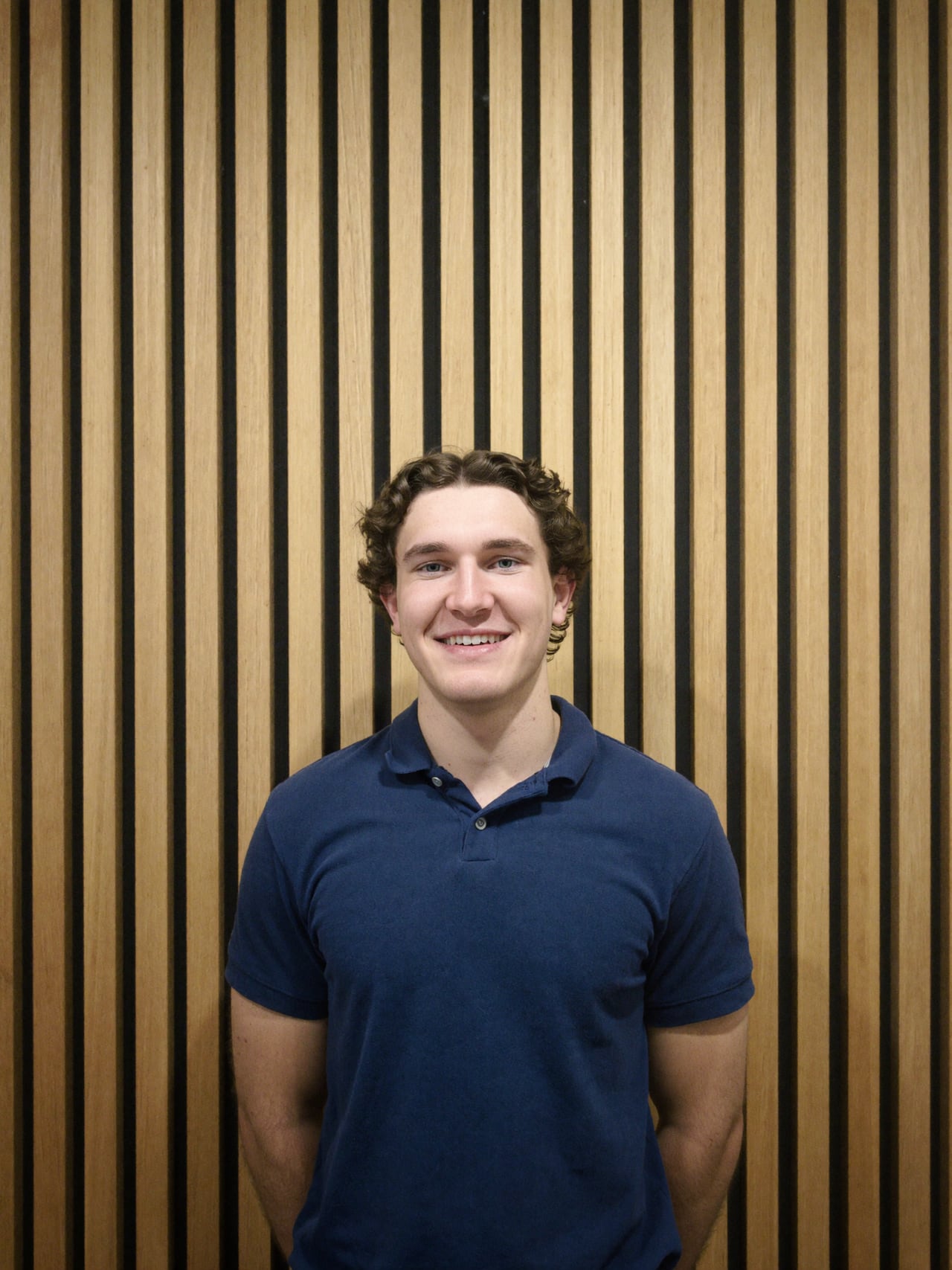
Sam co-founded Echelon AI Solutions and leads transformation strategy, client engagements and growth. He has built and operated businesses across marketing and AI education, and has guided companies in retail, trades, hospitality and professional services through operational change. His focus is making AI earn its place through measurable business performance.
More In Operating Model
See all Operating Model →
The Owner’s AI Operating Model: A Day In The Life When The System Runs
What a $1M+ business feels like when an AI operating system handles the must-do work: morning brief, drafted inbox, live numbers, and no longer the bottleneck.
Read it
Working ON The Business, Not IN It: The AI Version That Finally Works
Why 'work on the business, not in it' always failed (the work had nowhere to go), and how an AIOS absorbs the must-do work so the advice becomes possible.
Read it
The Daily Brief: One AI Summary Before Breakfast
The Daily Brief is the AIOS Intelligence layer: a summary before breakfast of what needs attention, what changed and what’s at risk, so you start the day ahead.
Read it