AI Automation For Medical And Allied Health Clinics In Australia
AI automation for Australian medical and allied health clinics: cut no-shows, ease the phone load on reception, run recalls, and keep patient data yours.
AI automation for medical and allied health clinics in Australia means a system built around your practice management software that handles the predictable front-desk work, reminders that cut no-shows, an after-hours path for enquiries, recalls that run on schedule, the booking and rescheduling that clogs reception, while your practitioners and admin team handle the care and the judgement. Anything clinical stays with your people, patient privacy stays the priority, and you own every line of what gets built. It takes the repetitive admin off a stretched front desk so your team can look after patients, not the phone.
The Bottom Line
- The admin tax on clinics is no-shows, phone load and missed recalls, not a shortage of clinical skill.
- Studies put GP non-attendance at roughly 7 to 10%, and every empty slot is lost revenue you can’t refill.
- Automation handles reminders, after-hours enquiries, recalls and booking admin around your practice software.
- Anything clinical stays with your practitioners, and patient data stays in your control throughout.
The Admin That Buries Clinics
Walk into most clinics and the bottleneck isn’t clinical, it’s the front desk. Reception spends the day on the phone, booking, confirming, rescheduling, fielding the same questions, while patients wait and the real work of looking after people competes with the admin. The practitioners are busy in the rooms, and everything that holds the practice together, the scheduling, the chasing, the follow-up, lands on a small, stretched team out front.
Two costs sit inside that. The first is the no-show. When a patient doesn’t turn up, the slot usually can’t be refilled at short notice, and that time is simply lost. One Australian study of a regional general practice found a non-attendance rate of around 7.6 percent, and other studies put GP no-shows in the 7 to 10 percent range. Across a week of appointments, that’s a meaningful slice of capacity, and revenue, walking out the door before lunch.
The second cost is everything reception can’t get to. Recalls that don’t go out because there’s no time to run them. Enquiries that hit voicemail after hours and never call back. Patients who wanted to book on a Sunday night and gave up. None of it is a failure of care. It’s a volume-of-admin problem, and admin volume is exactly what a system can take off your team so they can focus on patients.
Reminders That Cut No-Shows
The highest-return place to start is usually appointment reminders, because they hit the no-show problem directly. Manual reminders are inconsistent, they happen when reception has time, which is rarely, so plenty of appointments get no reminder at all. An automated system reminds every patient, every time, across the channels they actually respond to, and lets them confirm, cancel or reschedule with a tap.
That consistency is what moves the no-show rate. Patients who would have forgotten get a timely nudge. Patients who need to cancel can do it easily and early, which frees the slot far enough ahead that it can actually be refilled, instead of becoming dead time. The system isn’t just reminding, it’s recovering capacity, by turning silent no-shows into early cancellations you can do something about.
It runs around your practice management software, so it works off your real appointment book rather than a separate calendar someone has to keep in sync. The reminders go out in your clinic’s tone, with your policies, and the responses flow straight back into the booking system. Reception stops spending the morning on confirmation calls, and the schedule holds together with far less manual effort.
Taking The Phone Load Off Reception
The phone is the other thing eating your front desk. A huge share of calls are routine: booking, rescheduling, “are you open,” “do you bulk bill,” “what do I need to bring.” Each one interrupts whatever reception is doing and adds up to hours a day of repetitive handling. The patients in the waiting room and the calls compete for the same two people, and both suffer.
Automation handles the predictable calls and messages so your team doesn’t have to. Routine bookings and reschedules can be managed automatically, common questions answered consistently, and after-hours enquiries captured and actioned instead of dropping into a voicemail no one clears until morning. An AI receptionist can carry the front line so a missed call after 5pm becomes a booked appointment rather than a patient who rang the clinic down the road.
The line we don’t cross is judgement and care. Anything that needs a clinical decision, a triage call, a sensitive situation, goes to a person, every time. The system handles the high-volume, low-judgement front-desk work, and your team handles the patients and the calls that genuinely need a human. That’s the same human-in-the-loop principle that runs through every AIOS build, and in a clinic it’s not optional, it’s the whole design.
Recalls And Follow-Ups That Actually Happen
Recalls are where clinics lose continuity of care and recurring revenue at the same time. Patients due for a review, a follow-up, a routine check, often don’t come back simply because nobody had time to remind them. The recall list exists, but working it is the task that always slides when the front desk is buried. So patients fall through the gaps, and the clinic loses both the health outcome and the appointment.
An automated recall system runs that list on schedule, without anyone having to remember. Patients due for follow-up get a timely, appropriate prompt to book, in line with your clinical guidelines and your clinic’s voice. The ones who respond flow back into the appointment book. The ones who don’t can be escalated to a person. The result is a recall process that actually runs instead of one that lives as good intentions on a spreadsheet.
This is care and commercial sense pointing the same way. Better follow-through means patients get the reviews they should, and the clinic fills appointments it would otherwise have lost. Practitioners stay focused on the consultations, while the system makes sure the right patients are being prompted to come back at the right time.
Patient Privacy And Built Around Your Practice
In healthcare, the first question about any automation is data, and rightly so. The straight answer is that the system is built inside your own stack and your own practice software, so patient information stays where it already lives and you stay in control of it the whole way through. Access is scoped to what each task needs, and anything sensitive runs human-in-the-loop, with a person committing it. Nothing clinical is decided by the system.
That approach, build in your own tools, scope the access, keep a human on anything sensitive, is how you automate the admin without compromising patient privacy. We speak generally here rather than offer legal or compliance guarantees under the Privacy Act, and a serious build treats your privacy obligations as a design constraint from the first step, not an afterthought. The goal is a front desk that runs lighter while the data stays exactly as protected as it should be.
It’s also built around how your clinic actually operates, not a template, and it’s done for you and owned by you. You don’t learn a new platform or maintain the wiring. It’s built, tested and run for you inside the practice software you already use, and you own every line with no lock-in. Because it’s scoped to your clinic, cost depends on what you automate, which is covered in what a custom build costs in Australia. For the cross-industry view, see AI automation for Australian SMBs.
Frequently Asked Questions
Will Automation Replace My Reception Staff?
No. It changes what they spend their day on. The system takes the repetitive, high-volume front-desk work, routine bookings, reminders, common questions, after-hours enquiries, so your reception team can focus on the patients in front of them and the calls that genuinely need a person. Most clinics use the recovered time to improve the patient experience and reduce front-desk burnout, not to cut staff. The judgement and the care stay firmly with your people.
Is Patient Data Safe With This Kind Of Automation?
It’s built inside your own practice software and stack, so patient information stays where it already lives and you control it throughout. Access is scoped to what each task needs, and anything sensitive runs human-in-the-loop, with a person approving it. Nothing clinical is decided by the system. We speak generally rather than make compliance guarantees, and a proper build treats your privacy obligations under the Privacy Act as a design constraint from the start, so the admin gets lighter while the data stays protected.
Does It Work With My Practice Management Software?
Yes, that’s the design. The automation is built around the practice management software you already run, such as Cliniko, Halaxy or Best Practice, working off your real appointment book rather than a separate system someone has to keep in sync. Where a tool is less open, the build adapts. Your team keeps working in the same software, and the automation handles reminders, recalls and routine admin within it.
How Much Can Automated Reminders Really Reduce No-Shows?
The gain comes from consistency. Manual reminders are patchy because reception rarely has time, so many appointments get none. Automated reminders reach every patient every time and make it easy to confirm or cancel early, which both nudges forgetful patients to attend and frees genuine cancellations far enough ahead to refill. Given non-attendance commonly runs around 7 to 10 percent, recovering even part of that capacity is meaningful revenue and better continuity of care.
If your front desk is buried in phone calls, no-shows and recalls that never get worked, the fix is a system that handles the predictable admin around your practice software while your team looks after patients. We build it around how your clinic runs, keep your people on anything clinical, and protect patient data throughout. Get In Touch.
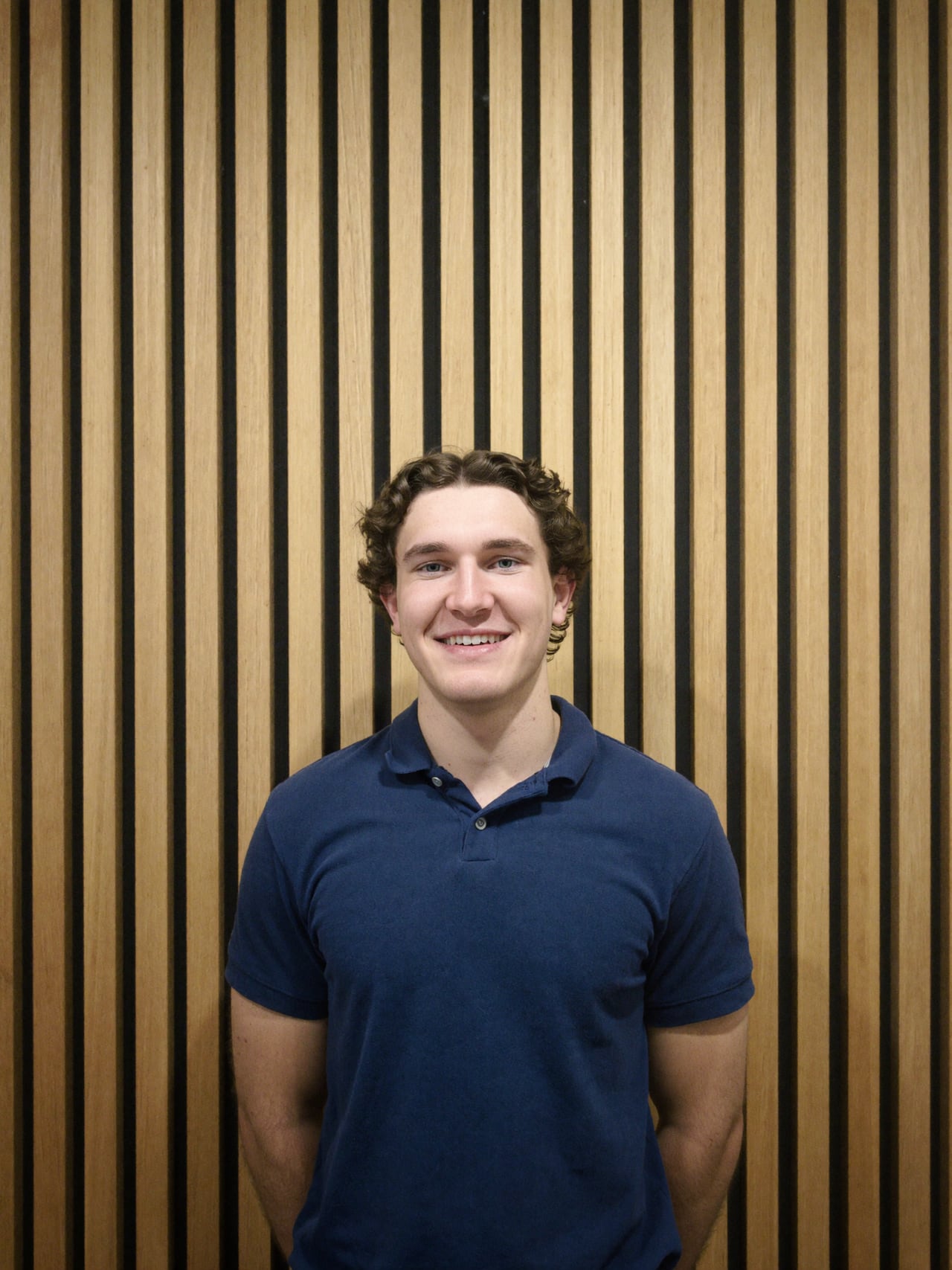
Sam co-founded Echelon AI Solutions and leads transformation strategy, client engagements and growth. He has built and operated businesses across marketing and AI education, and has guided companies in retail, trades, hospitality and professional services through operational change. His focus is making AI earn its place through measurable business performance.
More In By Industry
See all By Industry →
AI Automation For Australian SMBs: Industry By Industry
How AI automation works across Australian industries, from trades to accounting to clinics, what each sector should automate first, and the shared pattern.
Read it
AI Automation For Marketing Agencies In Australia
AI automation for Australian marketing agencies: client reporting, onboarding, status updates and proposals inside your CRM and PM stack so the team bills more.
Read it
AI Automation For Logistics And Transport In Australia
AI automation for Australian freight, couriers and removalists: per-job invoicing, status updates, proof of delivery and dispatch admin that run themselves.
Read it